
"coffee farming regulations"
800 article(s) found
Basic knowledge of Puerto Rican boutique coffee beans from coffee origin
In 1736, coffee trees were introduced from Martinique to Puertp Rico. Most of the early coffee was grown by immigrants from Corsica. By 1896, Puerto Rico was the sixth largest exporter of coffee in the world, with most coffee shipped to France, Italy, Spain and Cuba. Coffee farms flourished in the 19th century, but the rise of sugarcane and drug farming

Coffee producing area Coffee introduction Puerto Rican Coffee
In 1736, coffee trees were introduced from Martinique to Puertp Rico. Most of the early coffee was grown by immigrants from Corsica. By 1896, Puerto Rico was the sixth largest exporter of coffee in the world, with most coffee shipped to France, Italy, Spain and Cuba. Coffee farms flourished in the 19th century, but the rise of sugarcane and drug farming
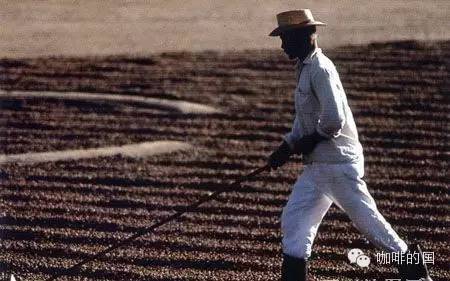
The coffee network recommends that the Shumawa Manor in the western valley of Costa Rica be treated by the sun to treat the strange species of Vera sa.
Costa Rica is located in the Central American isthmus, and is simultaneously regulated by Pacific and Atlantic currents and sea breezes. There are many towering volcanoes up to 2000 meters above sea level in Costa Rica. Coffee berries grow slowly in the fertile volcanic ash soil and cool environment at high altitude, giving birth to coffee beans with complete and rich flavor. Costa Rica began to grow coffee two hundred years ago, the earliest

Introduction to the taste of high-quality coffee beans in the rich and sweet coffee producing area of Jinchu Valley in Kenya
There are two types of coffee farms in Kenya. One is a large plantation that covers an area of more than five acres, but the average elevation is low. In the case of Kenyan coffee, the coffee beans of the large farms are of medium quality. The best Kenyan beans come from small farms, most of which are located in the foothills or volcanic slopes above 5,000 to 6,000 feet. Each small farmer has a capacity of only 20 to 70 bags per season.

Description of Grinding scale Flavor of Coffee beans in Vietnam
Coffee cultivation in Vietnam covers an area of about 500000 hectares, of which 10% are owned by state-owned enterprises and farms, and 85% by farmers and landowners. The scale of the manor is small, usually 2-5 hectares, and the large manor is about 30-50 hectares, but the number is small. Vietnamese coffee ranks second in all agricultural products exported from Vietnam, second only to rice. Every year, about 300000 farmers are engaged in coffee cultivation, with a labor force of 600000.

Rich and fragrant Puerto Rican coffee Larez Yaoke coffee
Puerto Rican coffee has been exported to all parts of the world. As the coffee in this country is generally carefully cultivated, it is pure, fragrant and granular, among which the best is among the world's famous brands. The best coffee is Yauco Selecto, which means Selecto. Grand Lares Yauco is produced in the southwest of the island, Larez.

Puerto Rico Fine Coffee Bean Flavor Taste Aroma Description
Puerto Rico's coffee beans are carefully grown, pure, aromatic and granular. The best coffee is Yauco Selecto, which means select. Grown only on three farms in the south-west of the island, San Pedro, Caracolillo and La Juanita, Yocote Coffee has a strong aroma and a long aftertaste, making it a true premium coffee. Puerto Rico

Aromatic Puerto Rico Manor Coffee Flavor Description Processing Grindness Taste Introduction
Coffee trees were introduced to Puerto Rico from Martinique in 1736. Early coffee was mostly grown by immigrants from Corsica. By 1896, Puerto Rico was the sixth largest coffee exporter in the world, with most going to France, Italy, Spain and Cuba. Coffee plantations flourished in the 19th century, but sugar cane and drug cultivation flourished.

How to choose the most suitable milk to add coffee?
Milk and coffee are obviously good friends: since the advent of coffee, they have been paired together for practical and preferred reasons. The former is because of the increased calories and nutrition, while the latter is because, well, milk and coffee taste great together.) Today, however, anyone who buys milk knows that every freezer on the market is packed with red, blue and yellow caps.

Puerto Rico ranks sixth in coffee exports in the world.
In 1736, coffee trees were introduced from Martinique to PuertpRico. Most of the early coffee was grown by immigrants from Corsica. By 1896, Puerto Rico was the sixth largest exporter of coffee in the world, with most coffee shipped to France, Italy, Spain and Cuba. Coffee farms flourished in the 19th century, but the rise of sugarcane and drug farming and

Nutritious, fruity Puerto Rican Greater Laresyaoke Coffee
In 1736, the first coffee tree was introduced to Puerto Rico from Martinique. Since then, Puerto Rico has become the base for producing the highest quality coffee in the world. The unique taste chosen by Yaocote has also become the object of admiration of coffee experts all over the world. Most of the earliest coffee trees were planted by immigrants from Corsica. About 160 years later, the coffee industry in Puerto Rico has emerged

Characteristics of Organic Coffee in Colombia _ Bio COSURCA SA Cooperative of Cauca Province, Colombia
For more information on coffee beans, please follow Coffee Workshop (Wechat official account cafe_style) Coffee of Colombia: coffee was introduced to Colombia during the 1700s period of Spanish colonial rule, originally grown in the northern Santander and Boyaca regions, and spread throughout the country in the 19th century. Compared with other coffee-producing countries in Latin America, Colombia's coffee farm regulations
Puerto Rican coffee beans from the world's finest coffee production area
In 1736, coffee trees were introduced from Martinique to Puertp Rico. Most of the early coffee was grown by immigrants from Corsica. By 1896, Puerto Rico was the sixth largest exporter of coffee in the world, with most coffee shipped to France, Italy, Spain and Cuba. Coffee farms flourished in the 19th century, but the rise of sugarcane and drug farming
Venezuelan coffee boutique coffee beans
Venezuelan coffee Coffee Venezuela the distinctive manor coffee comes from this oil-rich country. Oil was once considered to be the main export of Venezuela. Although coffee trees were introduced from Martinique in 1730 and Venezuela, coffee production was almost abandoned at the height of the oil industry. Recently, coffee species

Detailed Analysis of four cultivation Systems of Coffee in Ethiopia
Forest coffee (Forest Coffee): wild coffee, which accounts for 10% of Ethiopia's national output, is distributed in the wild coffee forest areas of the west and southwest, also known as the Kafa forest. The dense trees here provide the most natural shade for coffee trees and do not need manual care. Mother Earth is in charge of birth, aging, sickness and death, and coffee farmers can go directly to the woodland to harvest. Hansen

Introduction to the characteristics of Southern Puerto Rico Coffee (Larez Coffee)
Flavor: full grain, full flavor, rich aroma suggested roasting method: medium roasted ★★★: excellent coffee market: today, Puerto Rico gourmet coffee has been exported to the United States, France and Japan. Coffee in this country is generally carefully cultivated with pure flavor, aroma and heavy granules, among which the best is among the world's famous brands. The relevant work of the United States government at the time of delivery of the goods

How to drink Puerto Rico Typica Iron pickup Coffee? Characteristics of Puerto Rico Yaoke Special Coffee
Exchange of professional coffee knowledge more coffee bean information Please follow Coffee Workshop (official Wechat account cafe_style) Coffee Workshop (official account Wechat) A very rare variety in Puerto Rico with limited production in only three export farms in the island countries, due to careful and time-consuming harvest (about 4 months during harvest), it is known as one of the most famous boutique coffee varieties in the world. There is a strong dry aroma

Introduction to the regional treatment method for the characteristics of coffee varieties in San Pedro Manor, Puerto Rico
The origin of coffee in Puerto Rico: the best coffee in Puerto Rico is YaucoSelecto, which means Selecto. Grand Larez and Yaoke coffee (GrandLares-Yauco) are produced in the southwest of the island, while Larez coffee is produced in the south-central part of the island. Yaocote's coffee is grown only on three farms in the southwest of the island. It has a strong fragrance and a long aftertaste.

More fertile soil in the south-central coffee producing area of Puerto Rico Larez Yaoke Coffee
Yaocote's choice of coffee, which is grown only on three farms in the southwest of the island, is fragrant and has a long aftertaste. This kind of coffee is very expensive and its flavor is comparable to that of any other coffee variety in the world. In the Yauco area, the coffee is owned and operated by local planters. The mountain climate here is mild, and the plants have a long mature period (from October to February of the following year).